🚀 The Arrival That Changed Everything
In a decade drenched in glamour, one woman chose silence.
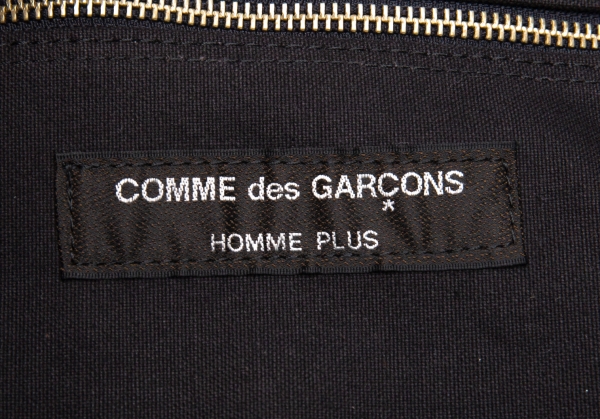
Rei Kawakubo, founder of Comme des Garcons, arrived in America not with sequins or slogans — but with questions.
Why beauty? Why symmetry? Why rules at all?
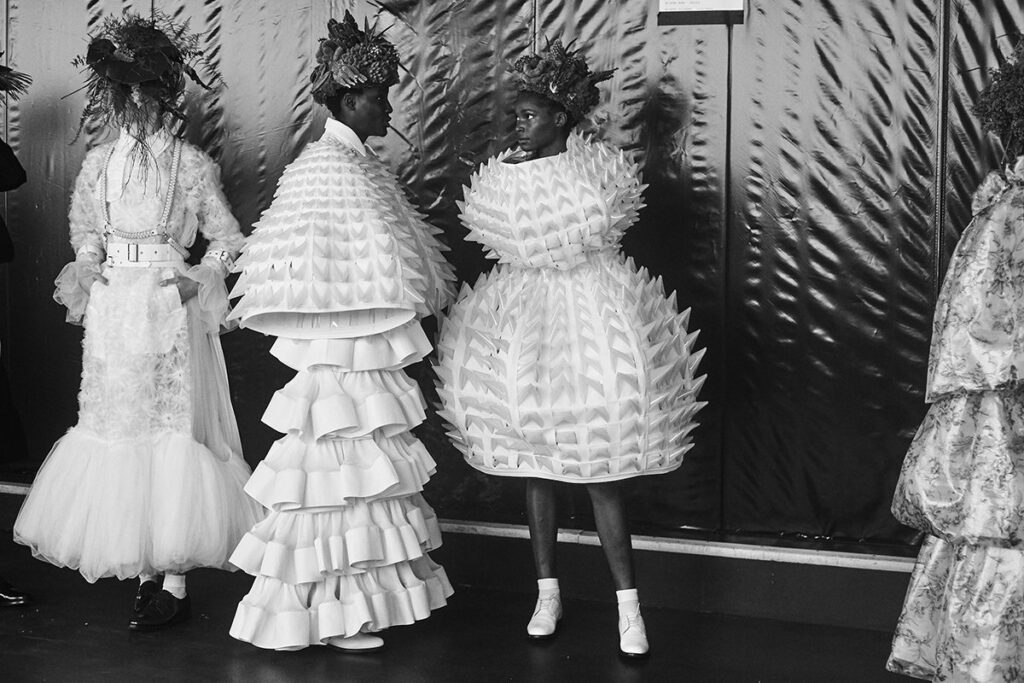
Her collections were torn, raw, asymmetrical — and revolutionary.
“I didn’t want to create clothes that already existed.” — Rei Kawakubo
When her work hit the U.S. in the 1980s, it didn’t just land in fashion circles.
It crashed into them — and nothing looked the same again.
🖤 Tokyo Soul, American Edge
Rei’s roots are pure Tokyo — intellectual, minimalist, meticulous.
But America added rhythm.
From SoHo to Silver Lake, her philosophy met its counterpart:
freedom.
Japanese precision + American rebellion = Comme des Garcons in full bloom.
It wasn’t just a brand crossing oceans —
it was an idea changing continents.
💥 The Anti-Fashion Movement
When Rei’s all-black collections debuted, critics called them “funeral clothes.”
They didn’t realize she was burying something — the old definition of beauty.
Her work wasn’t meant to flatter the body; it was meant to free it.
While U.S. brands fought for attention, Rei Kawakubo built a universe where:
- beauty was broken,
- chaos was sacred,
- imperfection was power.
And soon, America started to listen.
🏙️ The New York Moment
New York didn’t know what hit it.
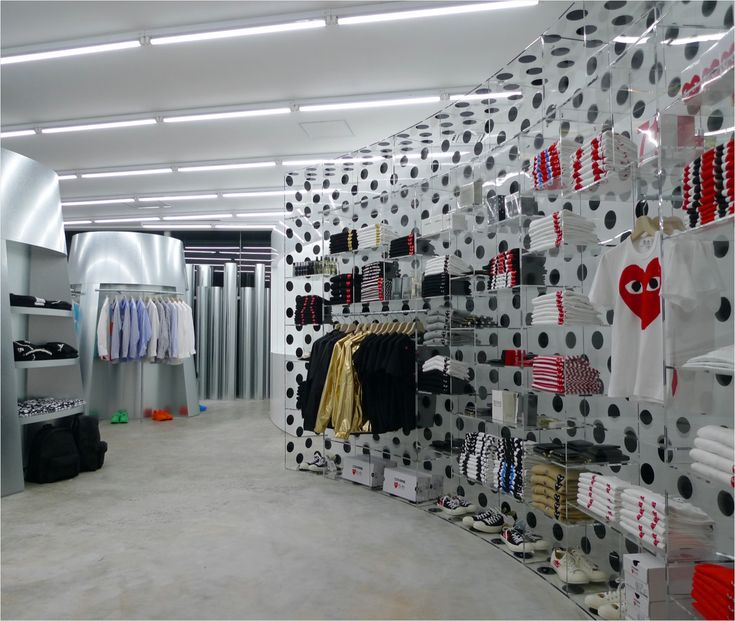
When the first Comme des Garcons boutique opened downtown, it didn’t look like a store.
It looked like a thought experiment.
No music. No glamour. Just light, fabric, space.
A cathedral of silence amid the noise of consumerism.
Designers came to observe.
Artists came to think.
Celebrities came to feel something real.
Rei’s world had arrived — and it made CDG New York rethink what fashion could be.
❤️ PLAY: The Heart That Took Over the Streets
Then came 2002.
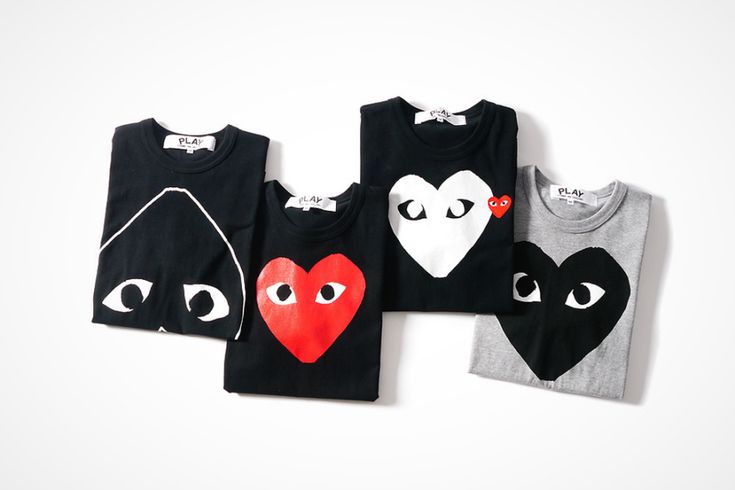
A red heart.
Two wide eyes.
A smile that said, “I see you.”
Comme des Garcons PLAY wasn’t avant-garde — it was approachable intelligence.
Cotton tees, striped knits, sneakers.
Simple, yes — but every stitch carried the brand’s soul.
Soon, that heart was everywhere:
- on skaters in Brooklyn 🛹
- on actors in L.A. 🎬
- on designers in Chicago 🎨
PLAY made Rei’s world wearable.
It gave America permission to feel smart without trying too hard.
🔗 Collaboration as Culture
No one collaborates like Comme des Garcons.
Because for Rei, it’s not marketing — it’s conversation.
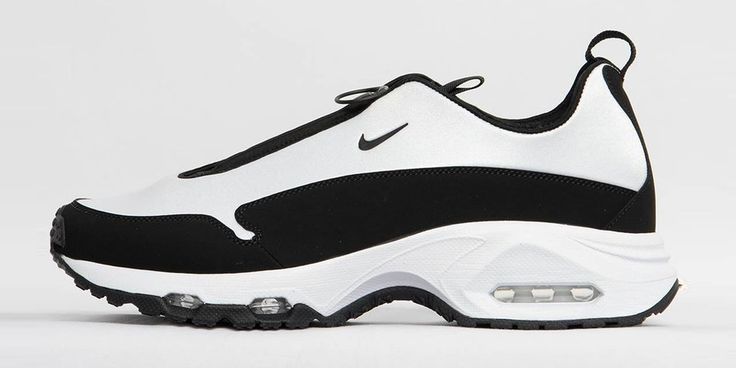
🖤 Nike x CDG — performance meets philosophy.
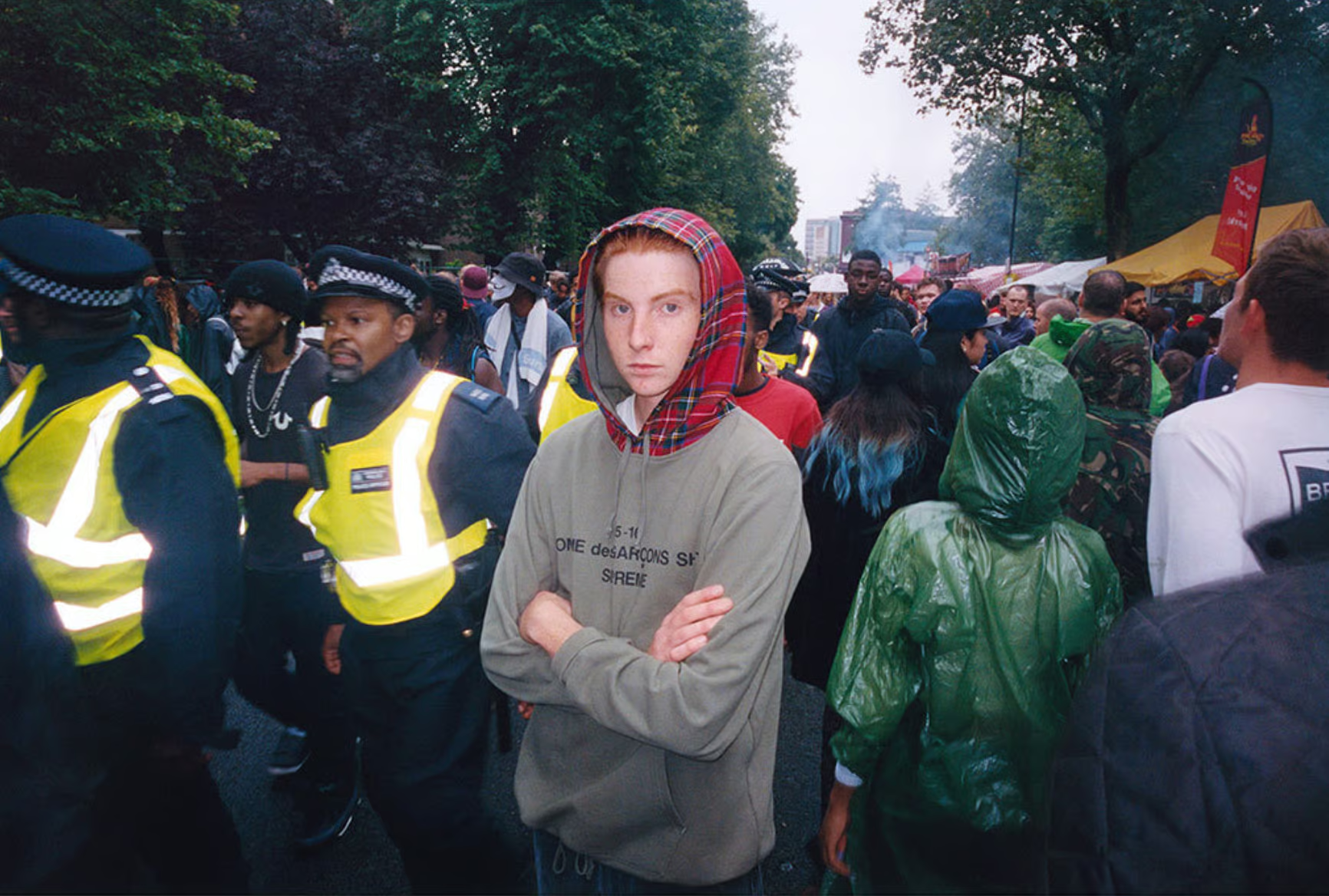
🔥 Supreme x CDG — chaos meets cool.
❤️ Converse x PLAY — simplicity meets symbolism.
Each partnership was less about hype and more about harmony.
She never watered down her aesthetic — she taught others how to elevate theirs.
“Collaboration isn’t compromise; it’s coexistence.”
And just like that, Comme des Garcons became a cultural bridge — between fashion’s elite and the street’s heartbeat.
🎭 The Thinker Behind the Thread
Rei Kawakubo never courted fame.
She never smiled for cameras, never chased applause.
Her interviews were rare. Her meanings were layered.
But her message was crystal clear: creation comes from conflict.
That conflict — between beauty and chaos, between East and West — became her American legacy.
She didn’t follow the market.
She moved it.
🧠 Art, Philosophy, Fashion — Intertwined
Americans didn’t just wear Comme; they studied it.
In design schools, Rei’s pieces became case studies.
In art galleries, her collections looked like sculptures.
Fashion wasn’t just about fit anymore — it was about feeling.
“She changed the language of clothing,” said one critic. “Now we dress to express thought, not status.”
🏁 Dover Street Market: A Universe Within Walls
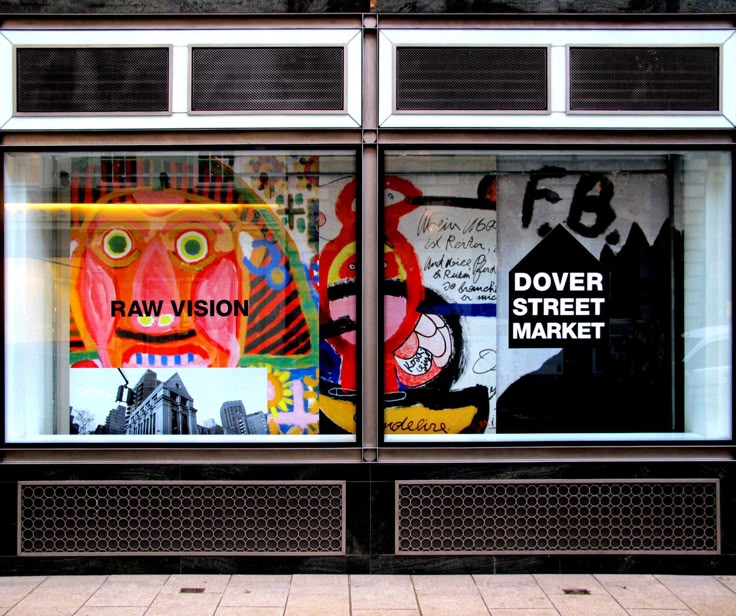
In 2013, Dover Street Market New York opened — and America finally understood Rei’s genius.
It wasn’t a boutique.
It was a living museum curated by emotion and architecture.
Every floor, every rack, every object was intentional.
No rules. No order. Only creativity in motion.
Walking through DSM felt like stepping inside Rei’s consciousness —
raw, poetic, and ever-changing.
Visitors didn’t shop; they experienced.
🔮 Streetwear Grows Up
By the late 2010s, Comme des Garcons had become a secret handshake in street culture.
A quiet way of saying, “I get it.”
Hype kids, art students, tech founders — all drawn to its understated depth.
It wasn’t loud like Balenciaga, or opulent like Gucci.
It was intelligent luxury — minimalist, mysterious, meaningful.
Wearing Comme became a choice not of fashion, but of mindset.
🌈 Genderless. Fearless. Boundless.
Long before inclusivity became a buzzword, Rei erased the binary.
Her clothes had no gender.
Her shapes had no limits.
They were for humans — not categories.
America, a country still learning to unlearn, found liberation in her logic.
“My clothes don’t define gender,” she said. “They define emotion.”
And that emotion continues to resonate across a new generation — one that dresses not for identity, but for individuality.
🕰️ The Legacy That Refuses to Age
Decades later, Comme des Garcons remains America’s quiet obsession.
Every minimalist runway, every conceptual pop-up, every art-fashion fusion traces back to Rei’s vision.
She proved that silence can be louder than sound, and that restraint can be more rebellious than excess.
In a culture obsessed with visibility, Comme des Garcons stands as the power of being unreadable — and unforgettable.
✒️ Final Reflection: The Whisper That Changed the Room
Fashion, at its core, is storytelling.
But Rei Kawakubo tells stories in fragments, folds, and fabric.
Her voice is quiet — yet every whisper she’s made has reshaped how America dresses, thinks, and dreams.
From runway to street. From silence to statement. From outsider to icon.
That’s the story of Comme des Garcons in the USA.
A brand that never shouted —
but still managed to echo through every corner of modern style.