In the heart of London, a quiet revolution reshaped the meaning of fashion.
It wore no crown, followed no rules — it simply called itself Comme des Garcons.
🌌 1. The Arrival of a New Aesthetic
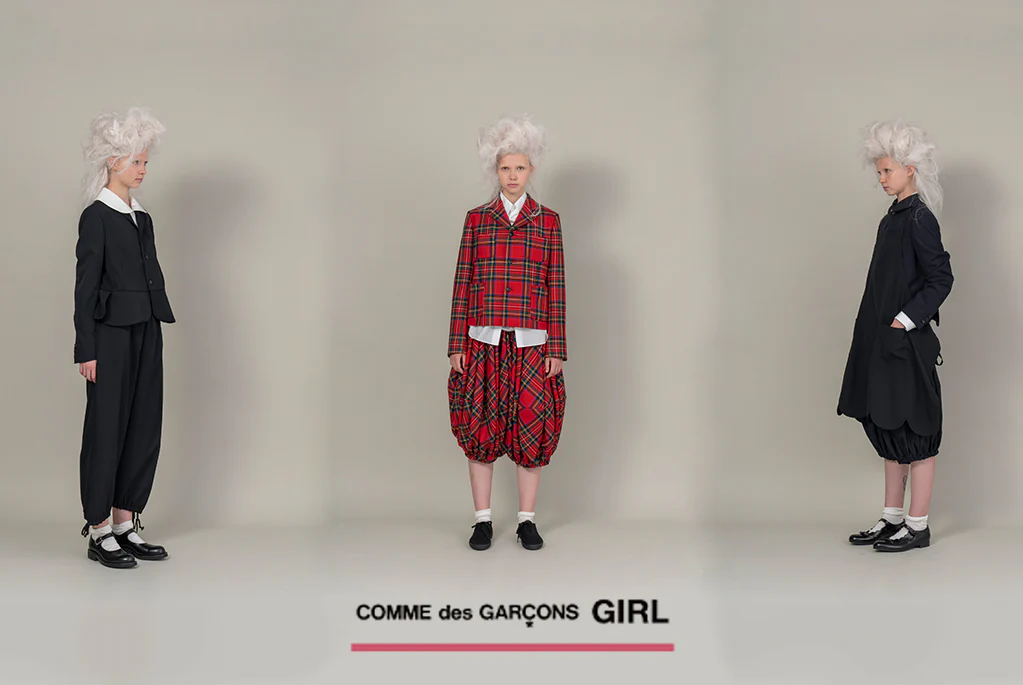
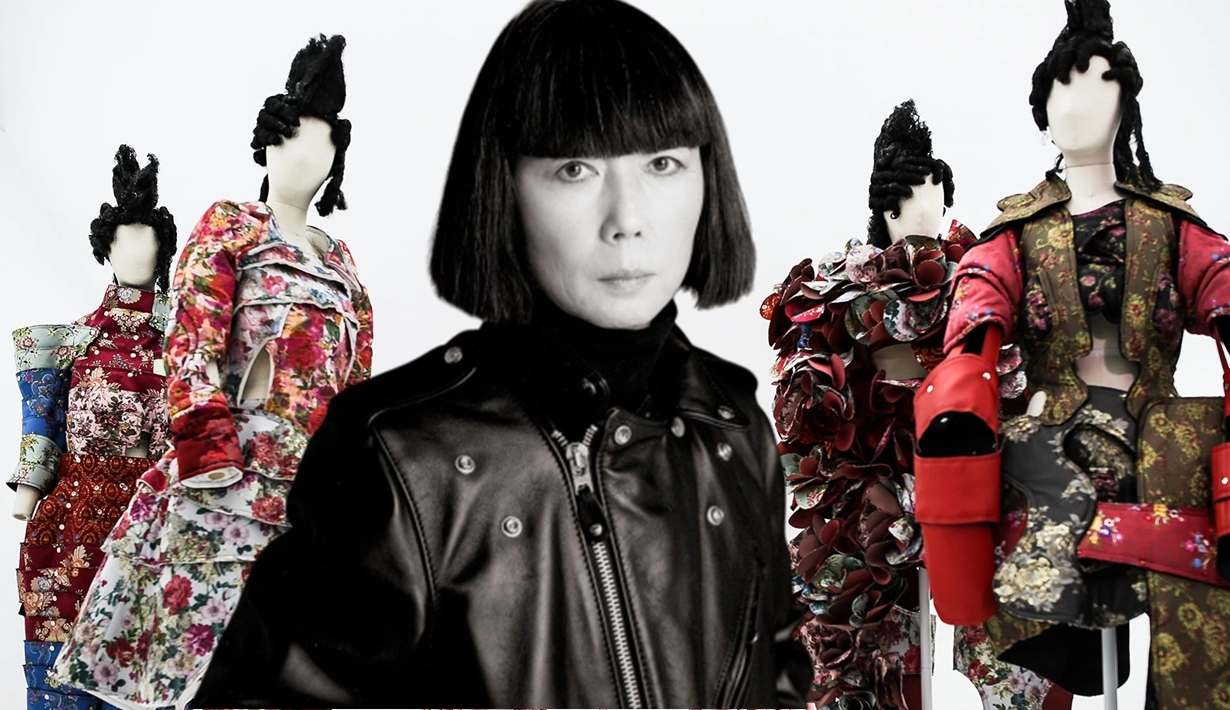
Before the glossy age of influencer fashion and algorithmic taste, there was Rei Kawakubo — an artist disguised as a designer.
Her label, Comme des Garcons, born in Tokyo in 1969, was never about beauty in the traditional sense. It was about emotion.
Her garments questioned rather than conformed; they were puzzles made of fabric, poetry stitched into asymmetry.
When her collections landed in Paris in the early 1980s, critics gasped. Some called it “ugly.” Others called it art.
But beneath the shock was something quietly revolutionary: the courage to be misunderstood.
That spirit would later find its European home not in Paris, but in London — the city that breathes contradiction.
🌁 2. London: A City That Understands Chaos
London is not a city of perfection — it thrives on contrast.
It’s where punk was born, where tradition meets irreverence, where art lives between ruin and renaissance.
By the early 2000s, the city’s creative landscape was shifting. Boutiques were polished but soulless; fashion felt transactional.
Kawakubo saw an opening — a place where commerce could coexist with creativity.
So, in 2004, she and her partner Adrian Joffe opened something radical:
a new kind of fashion space, part gallery, part dreamscape, and entirely her own.
They called it Dover Street Market.
🏛️ 3. Dover Street Market: The Store That Refused to Be a Store
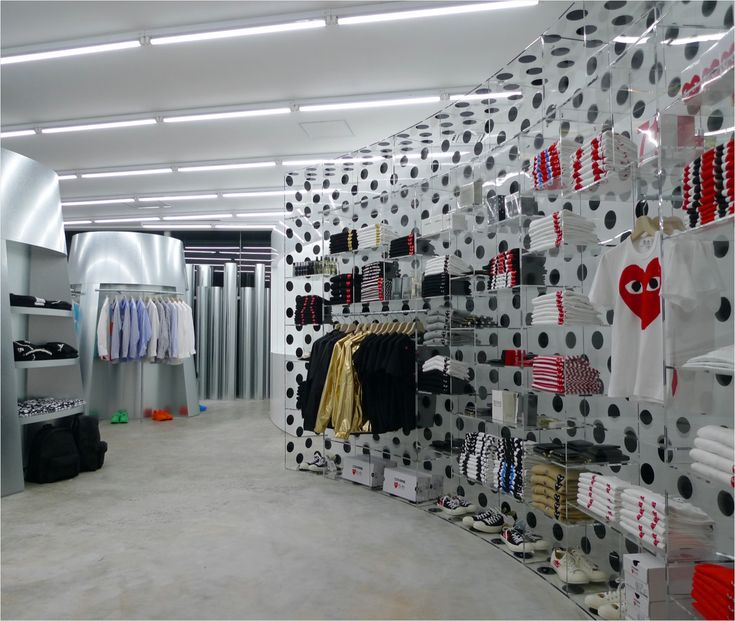
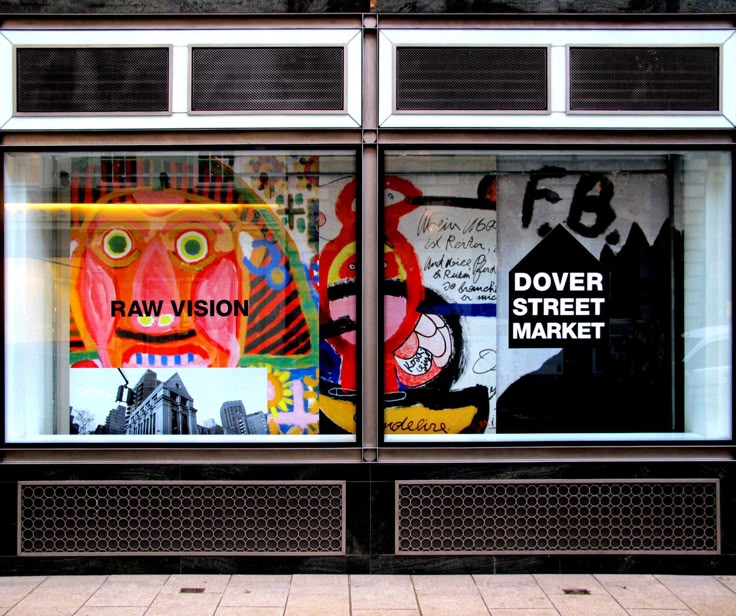
When Dover Street Market London opened its doors in Mayfair, nothing else looked like it.
The walls were raw, the lighting uneven, the layout unpredictable.
Luxury brands were placed beside emerging designers and conceptual installations — not for hierarchy, but for dialogue.
This wasn’t retail; it was philosophy.
Kawakubo described it as “beautiful chaos” — the idea that harmony could live inside disorder.
Every piece, every corner, every sound felt deliberate yet spontaneous.
“Creation cannot exist without destruction,” she once said.
DSM was that destruction — turned into art.
🎨 4. A Living Organism, Not a Space
Dover Street Market doesn’t stand still. Twice a year, it dismantles itself and is reborn — a ritual known as “New Beginning.”
Walls vanish, installations reappear in new forms, and familiar rooms become alien again.
It’s a retail metamorphosis — a reminder that creativity must never rest.
That cyclical reinvention has become DSM’s signature. Visitors never see the same space twice.
Each visit feels like entering a living creature — breathing, shifting, dreaming.
🖋️ 5. The London Spirit Meets the Japanese Mind
Comme des Garcons in the UK became a cultural conversation between two creative worlds.
London’s irreverence met Japan’s discipline; chaos found structure, and minimalism found emotion.
British designers like Simone Rocha and Craig Green cite Kawakubo as a blueprint for fearless expression.
Her impact seeps through London’s fashion ecosystem — in art schools, exhibitions, and independent labels that dare to exist outside trends.
In a sense, Kawakubo didn’t just bring Comme des Garcons to London — she brought London to itself.
🛍️ 6. The Theatre of Shopping
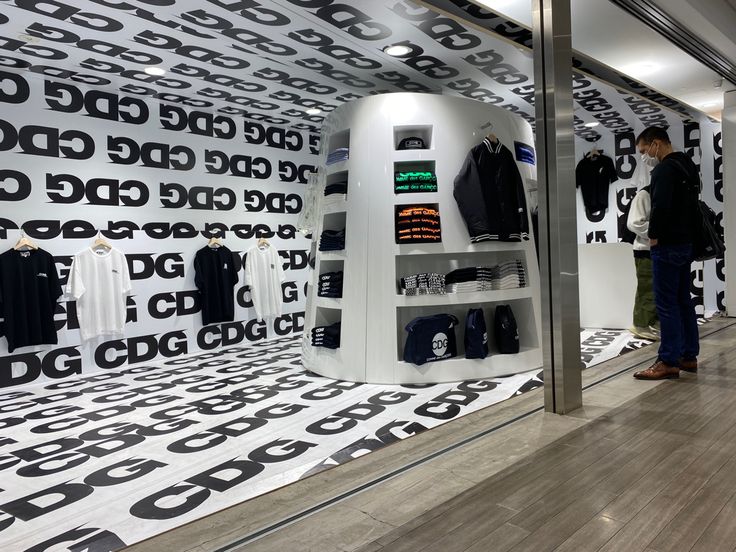
Entering Dover Street Market feels like stepping inside a curated performance.
Clothing isn’t displayed; it’s staged.
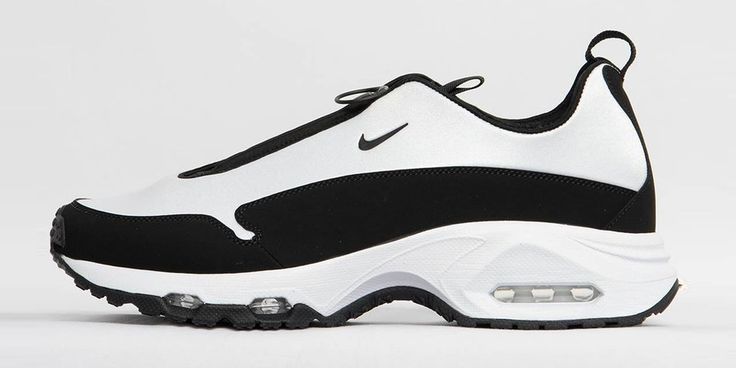
A Comme des Garcons coat might hang beside a NikeLab sneaker drop or a Gucci sculpture.
The boundaries between streetwear and haute couture dissolve — and something entirely new emerges.
The staff move like quiet curators, the music flows unpredictably, and every corner hums with purpose.
At the top floor, Rose Bakery completes the ritual — a place to pause, to sip, to reflect amid the avant-garde.
DSM isn’t just a store.
It’s an experience of consciousness.
🌍 7. Expansion: The London Blueprint That Went Global
What began as a London experiment became a global phenomenon.
After Mayfair came Tokyo (2006) — Kawakubo’s spiritual homecoming.
Then New York (2013) — where DSM turned SoHo into an art lab.
Followed by Beijing, Los Angeles, and Singapore — each city reimagining the DSM ethos in its own language.
And in 2016, the London flagship relocated to Haymarket, inside a grand historic building that once housed a 1920s department store.
The architecture changed — the soul didn’t.
Every iteration of DSM still asks the same question:
Can shopping be art?
💬 8. The Dialogue of Collaboration
At the core of DSM’s DNA lies collaboration — not as strategy, but as philosophy.
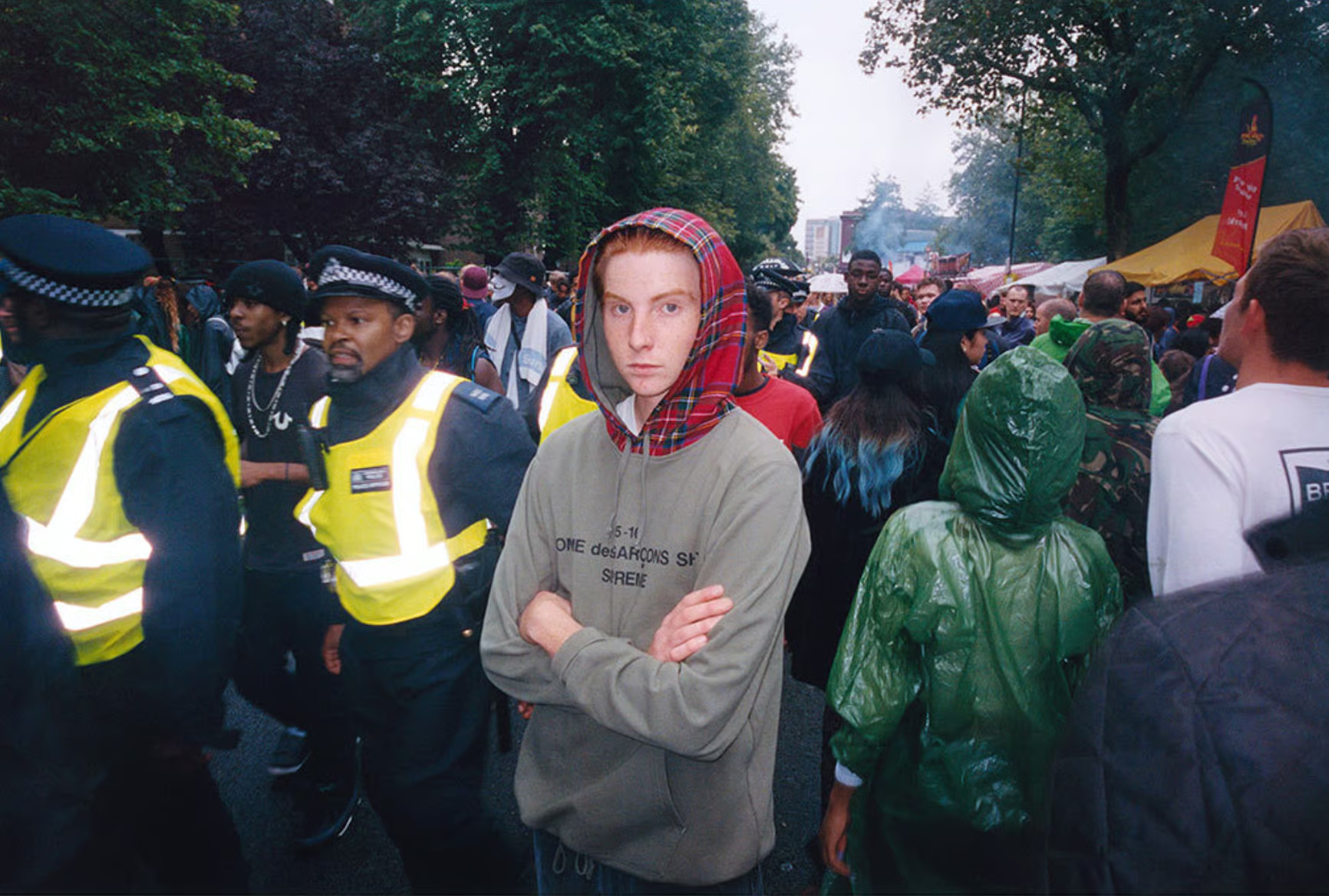
Here, Gucci converses with Supreme, Thom Browne with Raf Simons, Undercover with Converse.
The contrasts don’t clash; they converse.
Each partnership becomes a kind of cultural experiment — a study in coexistence and creative friction.
DSM isn’t about unity. It’s about the beauty of things that don’t fit — and how they can still make sense together.
🌸 9. The Playful Side: Comme des Garcons Play
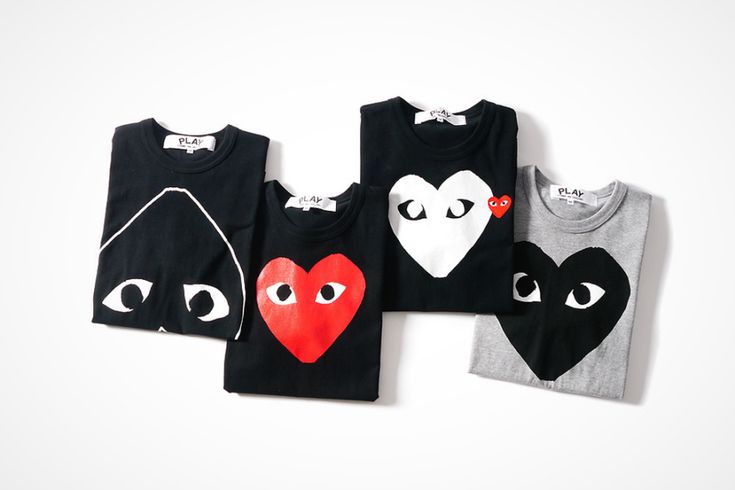
While Dover Street Market embodies conceptual abstraction, Comme des Garcons Play offers accessibility without compromise.
Its red heart logo — designed by Filip Pagowski — has become a global symbol of casual intelligence.
It’s light, witty, and effortlessly wearable.
But beneath the simplicity lies the same thoughtfulness: design as philosophy.
Through DSM, Play became not just a line of clothing, but a cultural shorthand — a wink from the avant-garde to the everyday.
🕰️ 10. Comme des Garcons in the UK: The Ongoing Legacy
Two decades on, Comme des Garcons in the UK still pulses through London’s creative veins.
The Haymarket store remains a pilgrimage site for artists, designers, and thinkers who believe fashion is more than fabric — it’s an idea.
Kawakubo’s presence lingers in the air — not loud, but constant.
Her vision has turned retail into ritual, consumption into contemplation.
“The only meaning in life is creation,” she once said.
And Dover Street Market proves that creation never ends — it simply changes form.
✨ 11. The Future: Fashion as Freedom
In an era defined by algorithms and fast consumption, Comme des Garcons in the UK stands apart.
It doesn’t chase attention — it earns reverence.
It doesn’t follow culture — it creates it.
Dover Street Market isn’t a place you visit to buy something.
It’s a place you visit to feel something.
And that, in the end, is Rei Kawakubo’s greatest gift to London —
A reminder that fashion, at its most honest, is not about what we wear.
It’s about who we dare to become.